
Step Off the Train and Onto the Trail
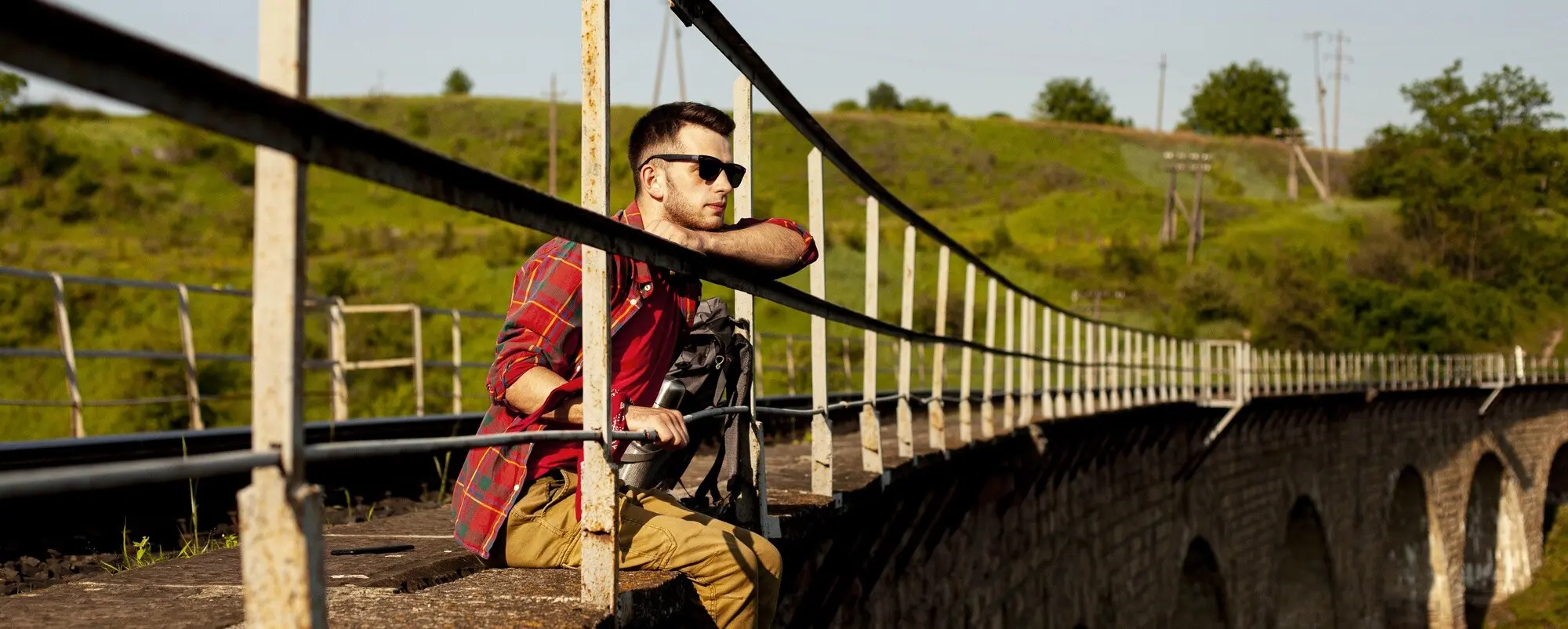

Why Start Your Hike at a Train Platform
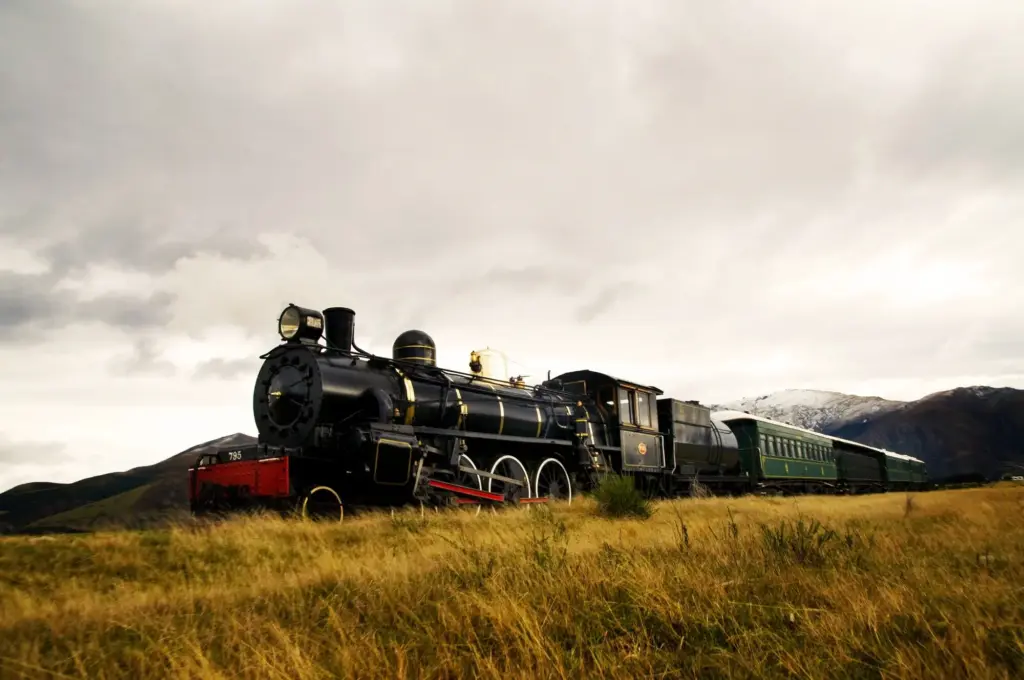
Lower Footprint, Bigger Horizons
Rail travel slashes per-person emissions compared to solo driving, and that environmental dividend can be reinvested in longer routes, slower days, and deeper listening once boots touch dirt. Freed from parking limits, you can start at quieter trailheads, link point-to-point routes, and embrace flexible exits, letting landscapes and weather guide your choices rather than a waiting car’s fixed location.
Arrive Rested, Not Road-Weary
Rail travel slashes per-person emissions compared to solo driving, and that environmental dividend can be reinvested in longer routes, slower days, and deeper listening once boots touch dirt. Freed from parking limits, you can start at quieter trailheads, link point-to-point routes, and embrace flexible exits, letting landscapes and weather guide your choices rather than a waiting car’s fixed location.
Stations as Gateways to Nature
Rail travel slashes per-person emissions compared to solo driving, and that environmental dividend can be reinvested in longer routes, slower days, and deeper listening once boots touch dirt. Freed from parking limits, you can start at quieter trailheads, link point-to-point routes, and embrace flexible exits, letting landscapes and weather guide your choices rather than a waiting car’s fixed location.
Planning Tools and Timetables That Work in the Wild
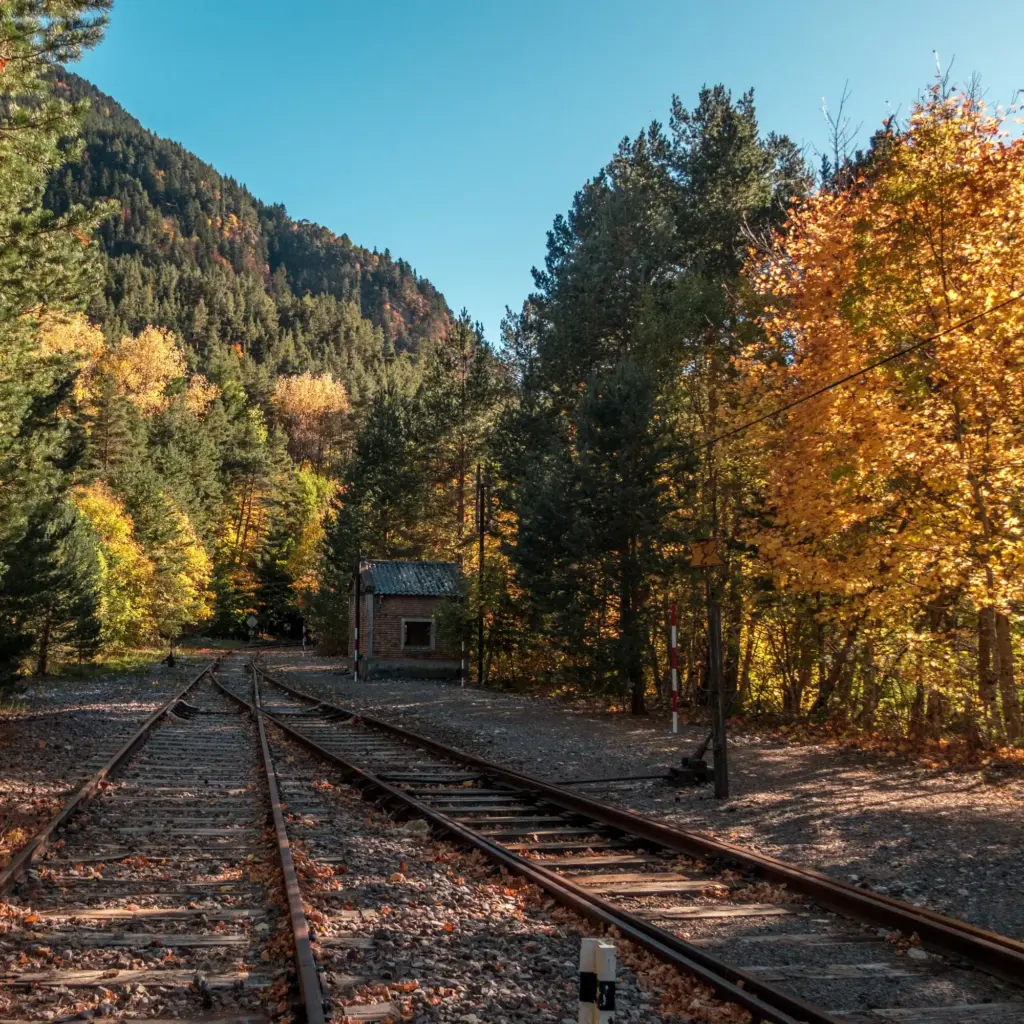
From Station Clock to Trail O’Clock
Start by converting arrival times into true trailhead moments: add platform egress, wayfinding, ticket queues, restroom breaks, and a modest stroll to the bus bay. Then map shuttle durations, potential waits, and the final walk to the signpost. That honest accounting preserves daylight, reduces anxiety, and ensures you begin the hike with a calm heart and an accurate turnaround time.
Tickets, Passes, and Flex Windows
Start by converting arrival times into true trailhead moments: add platform egress, wayfinding, ticket queues, restroom breaks, and a modest stroll to the bus bay. Then map shuttle durations, potential waits, and the final walk to the signpost. That honest accounting preserves daylight, reduces anxiety, and ensures you begin the hike with a calm heart and an accurate turnaround time.
Backup Plans for Missed Connections
Start by converting arrival times into true trailhead moments: add platform egress, wayfinding, ticket queues, restroom breaks, and a modest stroll to the bus bay. Then map shuttle durations, potential waits, and the final walk to the signpost. That honest accounting preserves daylight, reduces anxiety, and ensures you begin the hike with a calm heart and an accurate turnaround time.
Routes You Can Ride and Hike Today


Packing Light for Rail-to-Trail Transitions
Safety, Seasonality, and Stewardship
01
Weather Windows and Shoulder-Season Gold
Spring and autumn reward patience with crisp air, open views, and thinner crowds, yet they also bring variable snowlines, early sunsets, and surprise storms. Study recent trip reports, note creek gauges, and track wind on exposed ridges. Build conservative cutoffs and honor them. The satisfaction of catching a quiet, glowing larch hillside grows when your margins are generous and wise.
02
Wildlife and Human Factors on Popular Corridors
Black bears, elk, and curious corvids thrive along transit-accessible routes. Keep food secured, voices gentle, and cameras distant. Human dynamics need care too: be patient with lines, step aside for families, and share shuttle queues respectfully. Calm choices ripple outward, preserving quiet moments for everyone. The journey’s shared nature becomes part of its beauty when courtesy guides each decision.
03
Leave No Trace When You Ride and Roam
Start stewardship the moment you pack, minimizing disposables and choosing durable, repairable gear. Stick to established paths, yield thoughtfully, and resist shortcut temptations near crowded overlooks. Dispose of waste properly at stations, not just trailheads, and spread goodwill by thanking drivers and rangers. These small rituals weave responsibility through the entire experience, strengthening ecosystems and the communities that protect them.
Community, Stories, and Next Steps