Ride the Rails to Britain’s Wild Seasons
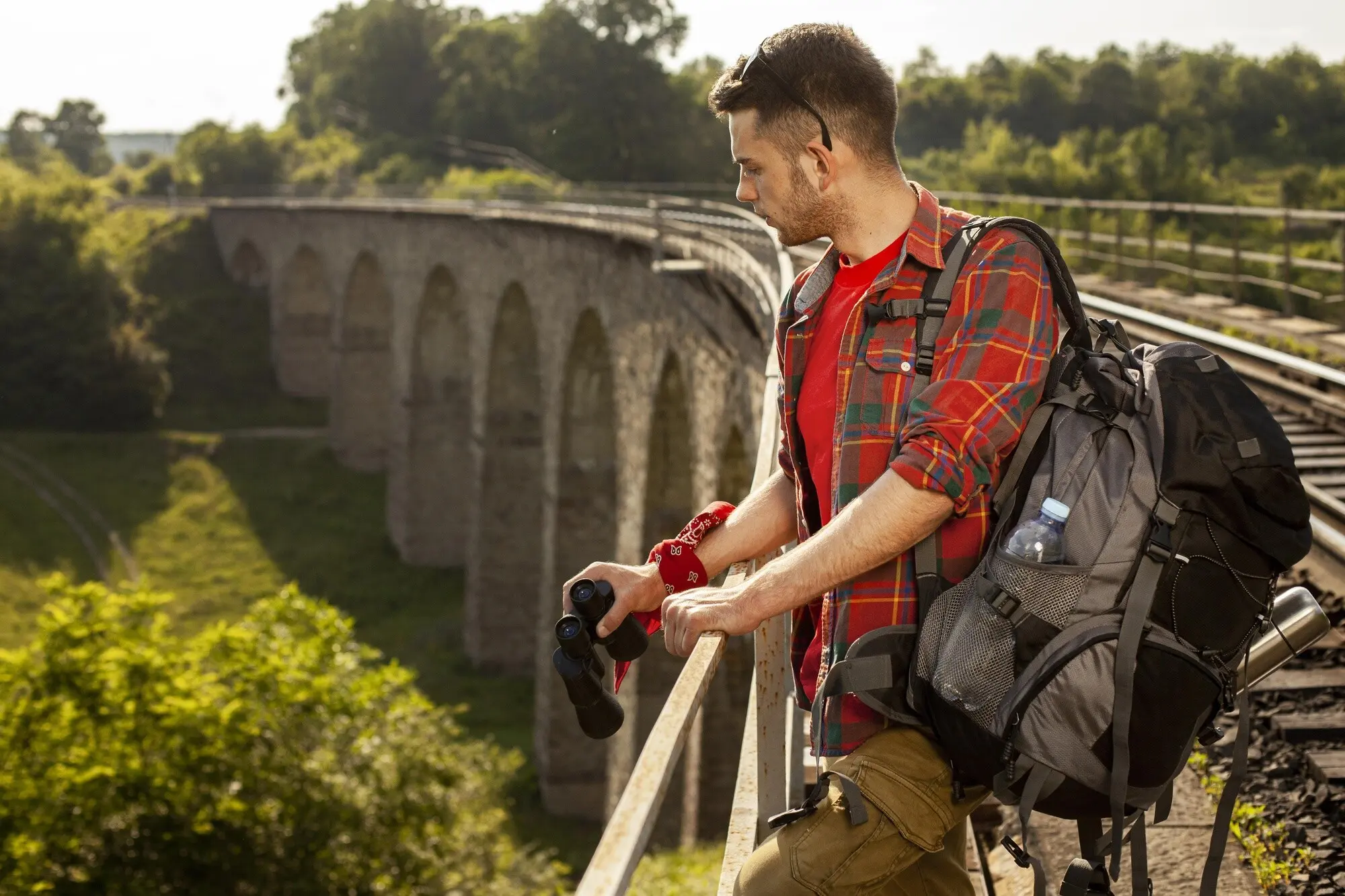
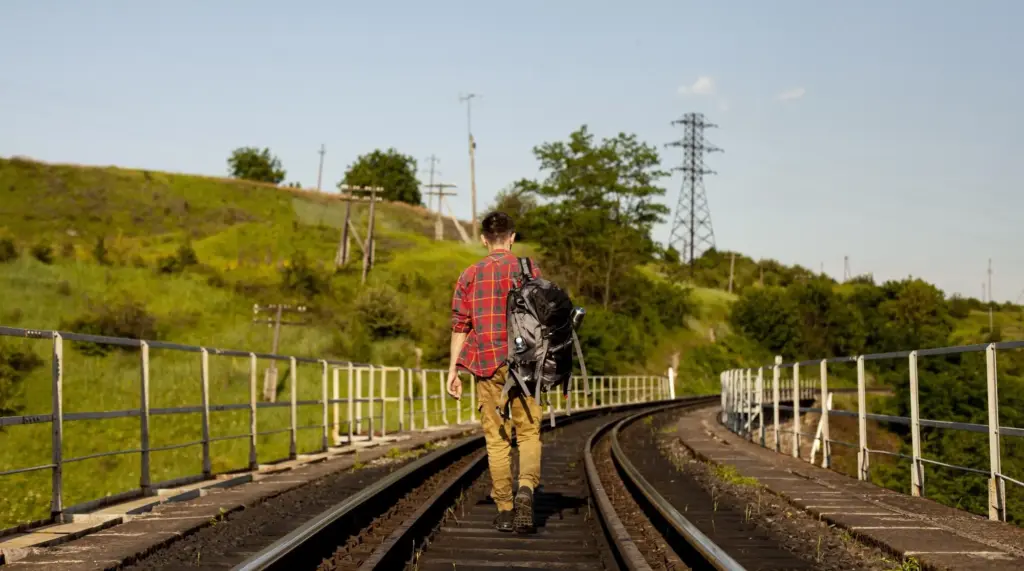
Step straight from a station platform into blooming meadows, ancient woods, open moors, and shining lochs as we explore seasonal wildlife and wildflower walks accessible by train across Britain’s National Parks. Discover bluebells and orchids, heather seas and rutting deer, winter constellations and spring migrants, all without a car. Expect real itineraries, heartfelt stories, and practical tips for catching the right service, packing smart, and returning home with muddy boots, bright eyes, and unforgettable memories.

Spring Arrivals and Blooming Paths

When daylight stretches and hedgerows sing, trains unlock gentle routes to bursting woodlands and skylark-laced meadows. Step off at Brockenhurst to meet New Forest bluebells, pause at Settle for curlew calls over hay meadows, or roll into Aviemore as ospreys circle the pines. Lambs tumble on Peak District hillsides near Edale, while wood anemones brighten shaded banks. One April morning, I arrived at Danby with two hours to spare and left with pockets scented of wild garlic and pockets of joy.

Summer Meadows and Heather Highways

Alight at Lewes and ascend chalk paths toward airy ridgelines where clustered bellflowers and fragrant orchids scent the breeze. Chalkhill blues and marbled whites flicker over thyme; meadow browns escort your stride. The panorama unfolds to distant sea, while skylarks wind upward like kites. Return by a different bridleway for a station-side ice cream and sunset glow.
Slow trains between Middlesbrough and Whitby set you down at Danby or Lealholm, doorstep to moors that ignite purple in late summer. Follow waymarked tracks, feel peat’s spring, and watch for wheatears hopping stone to stone. Curlews quieten, but bees thrum loud in flowering bell heather. End with tea in a village café and the gentle clatter of your ride home.
Step off the Dartmoor Line at Okehampton and rise through oak fringes into wide horizons and weathered tors. Bog asphodel sparks yellow in wet flushes, while small heath butterflies quarter the grasses. Choose a circuit around Yes Tor and High Willhays or a gentler loop to Meldon Reservoir. Return on cooling winds, faces sunwarmed, legs happily tired.

Red deer and russet birches near Aviemore

From Aviemore, follow quiet trails edging Caledonian pine and silver birch where stags roar like distant thunder. Keep a respectful distance, use binoculars, and move gently. Among amber leaves, chanterelles hide in moss, and late-blooming devil’s-bit scabious shines purple against tawny grasses. Catch the twilight train as smoke-blue hills fold into early stars.

Ancient oaks and fungi from Beaulieu Road

Few platforms feel wilder than Beaulieu Road, opening straight into New Forest pasture and oak groves. After rain, fly agarics stud leaf litter like lanterns, while porcini anchor deep roots of scent and soil. Follow sensible foraging ethics—admire more than you collect. Deer slip between hollies, and jays stash acorns, rehearsing forests of tomorrow beneath your feet.

Grey seals along the Pembrokeshire cliffs

Arrive at Tenby and stride onto the Coast Path, where Atlantic swell braids foam below sunlit sandstone. In sheltered coves, grey seals cradle pale pups; watch from cliffs with patience and distance. Autumn thrift cushions pink on ledges, and gannets arrow offshore. Return with salt on your cheeks and warm chips near the station.

Autumn Migrations and Golden Woods

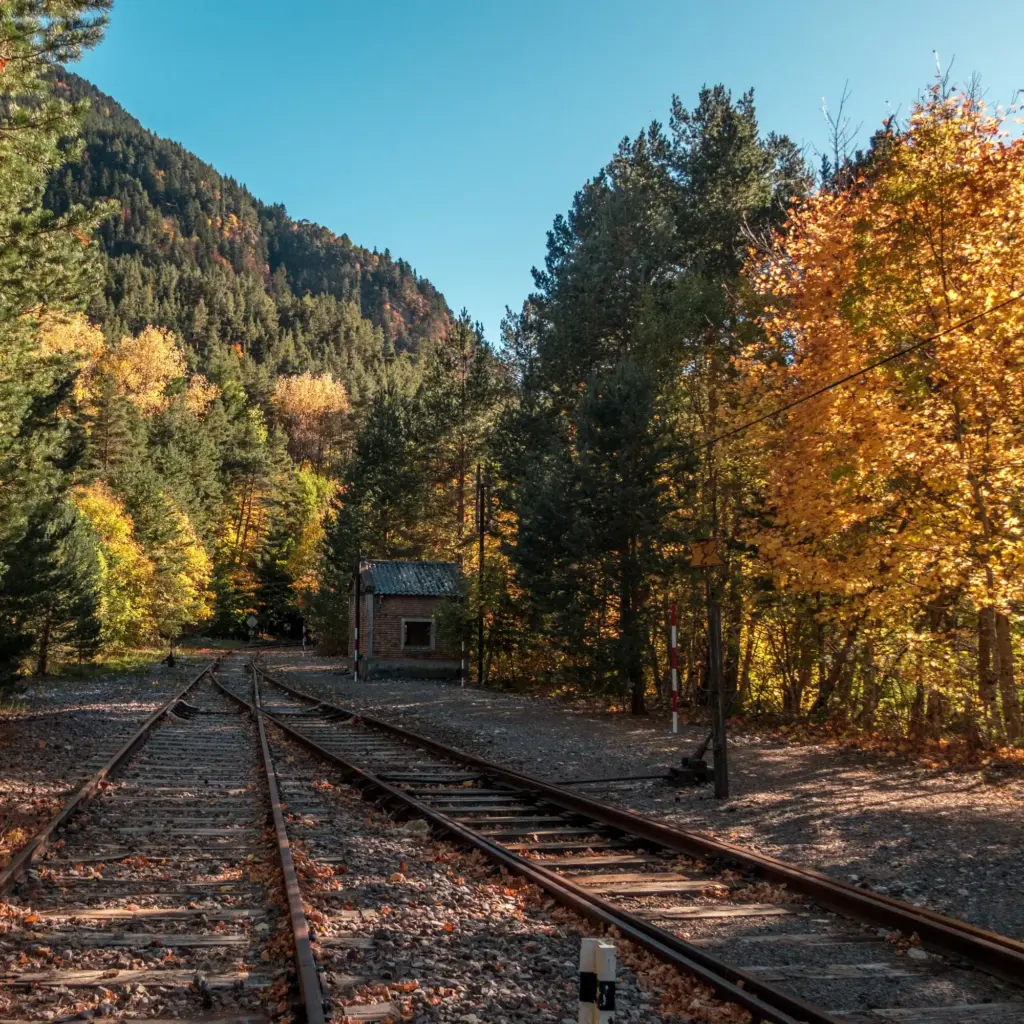
Leaves catch fire along riverbanks while high ridges hush under amber light. Red deer begin their dramatic rut near Aviemore’s birch glades; fungi push through moss in New Forest enclosures beside Beaulieu Road station. Along Wales’s west, trains to Tenby unlock cliff-top routes where grey seals nurse pups in sheltered coves. Pack layers and curiosity. The year exhales slowly now, and every path smells of apples, rain, and cold iron tracks shining toward evening.

Frosted edges from Edale

Step from the Hope Valley Line into a natural amphitheatre of gritstone and peat. Choose the Pennine Way toward Kinder’s rim, watching for fox tracks stitched across snow. Heather bells mute under hoar, while merlins sometimes ghost the slopes. Turn back before light fails, warmed by a flask and the promise of carriage windows glowing amber.

Riverside evergreens at Betws-y-Coed

The Conwy Valley Line places you amid cathedral pines and boulder-strewn, tea-brown water. Follow waymarked loops to waterfalls veiled in ice, where dippers bow and vanish underwater like quicksilver. Mossy banks smoke with cold breath, and quiet cafés beckon. Trains rumble homeward as mist braids the valley, leaving footpaths hushed and luminous.

Stations as trailheads

Many platforms open directly onto glorious walking. Edale greets you with the Pennine Way; Brockenhurst spills into heath and ancient oak; Aviemore links to forest paths and lochs; Balloch frames Loch Lomond’s shores; Windermere leads to fell-skirting circuits. Study signage, follow rights of way, and let that first crunch of ballast give way to birdsong.

Packing for changing British weather

Layer a breathable base, windproof shell, and insulating midlayer. Add hat, gloves, and a spare pair of socks. Sturdy footwear, OS Maps or a compass, and a small first-aid kit matter. In summer, carry sunscreen and midge repellent; in shoulder seasons, headtorch and hot drink. Keep phone power topped, but trust your map and judgment first.

Ground-nesting birds need space

Curlews, skylarks, and meadow pipits nest among grasses on the South Downs, Peak District, and North York Moors. March to July, keep to paths, leash dogs, and avoid lingering near alarming birds. Binoculars offer closeness without intrusion. A single careful detour preserves a whole brood’s chances beneath the wind and heather.

Heath and moor fire safety

Heather and gorse ignite frighteningly fast in drought. The New Forest, Dartmoor, and upland moors ask for vigilance: no disposable barbecues, no naked flames, no cigarette ends. Report smoke immediately. Choose picnic spots on durable surfaces, and celebrate summer evenings with stars, not sparks. Recovery from wildfire takes lifetimes measured in roots and beetles.

Photography with care

Great images come from patience, not pressure. Keep distance from deer ruts, seal nurseries, and osprey platforms. Use longer lenses, mute shutter beeps, and avoid flash. Never share exact nest coordinates; protect sensitive flora by stepping back, not closer. Let behaviour continue unaltered, and you’ll capture truer light, stories, and gentleness in every frame.