Whistles, Footpaths, and Timeless Parks
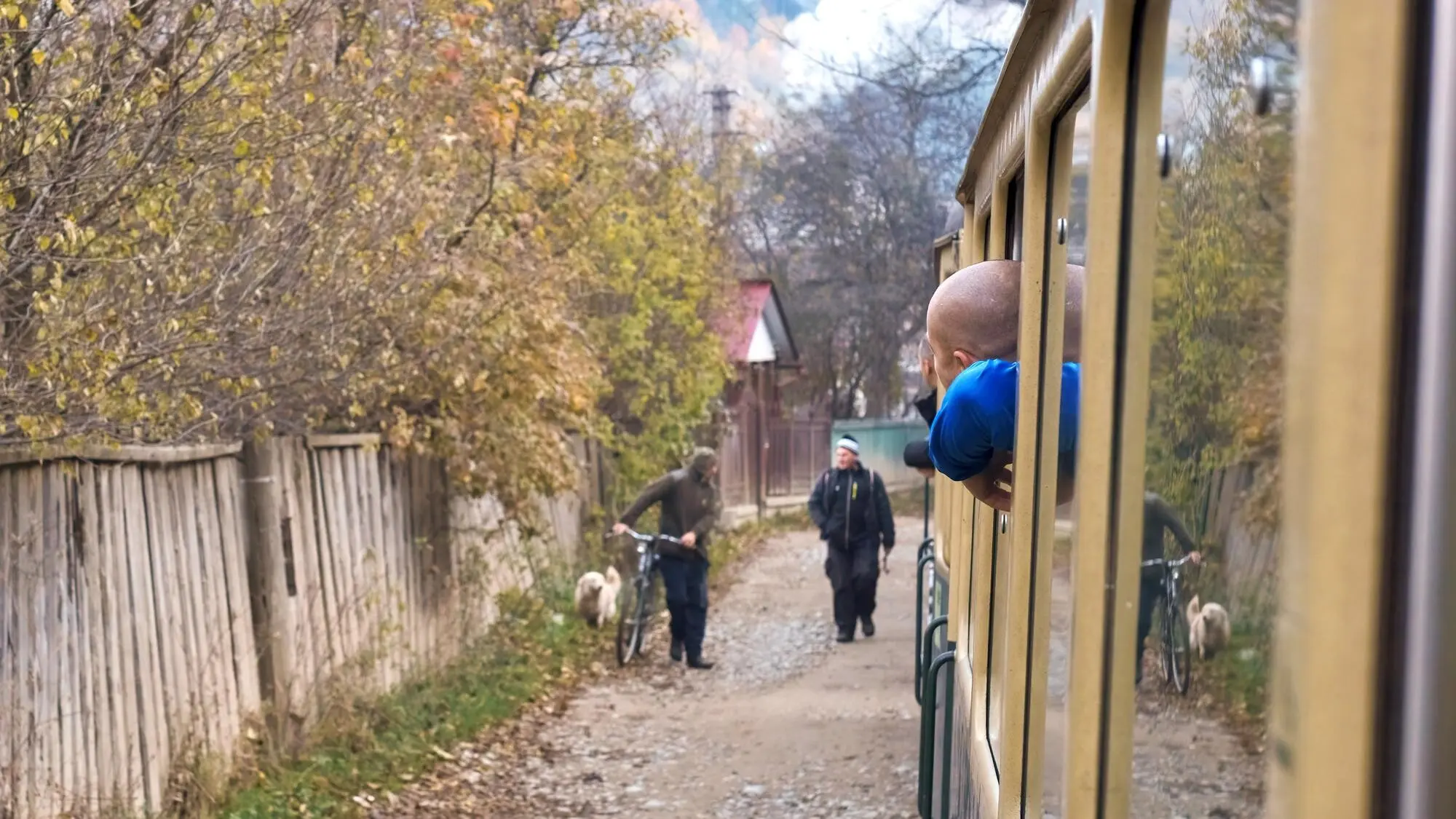
Step aboard a lovingly restored steam carriage and step off into curving paths beneath ancient oaks. Today we journey through Heritage Steam Journeys paired with circular walks in historic park landscapes, celebrating the romance of locomotive travel alongside unhurried exploration on foot. Discover how gentle gradients, ornate bridges, and lakeside avenues create seamless loops from station to lawn, letting you savor storytelling rails, birdsong, and picnic greens within a single, memory-rich day.

Designing the Perfect Steam-to-Path Connection

Linking station platforms to circular park walks starts with considerate timing and sensitive mapping. Align departures with relaxed loop durations, place waymarkers where footpaths meet ticket halls, and ensure benches, water points, and restrooms greet walkers returning in time for afternoon whistles.

01

Timetables That Favor Wanderers

Request slightly longer layovers between steam arrivals and departures so curiosity can breathe. When a loop runs beside lakes or over decorative bridges, fifteen unrushed minutes change everything, turning hurried strides into attentive pauses, photographs, and conversations with volunteers polishing brass nameplates.

02

Wayfinding That Honors History

Use interpretive arrows styled after original enamel signs, but keep directions clear for modern families with buggies and canes. Pair each junction with two clues: a distance hint and a story fragment, encouraging discovery without sacrificing safety or the steady rhythm of return trains.

03

Loop Lengths for Every Pace

Design three options leaving from the same platform gate: a brief meadow meander for tight schedules, an hour’s circuit for relaxed picnics, and a more ambitious loop touching viewpoints. Publish realistic times, terrain notes, and elevation, so expectations meet delight rather than strain.

Stories Etched in Iron and Ivy

Every preserved carriage, crenellated gatehouse, and serpentine ha-ha holds voices from gardeners, drivers, and holidaymakers who once shared these spaces. Trace the lineage from estate sidings delivering coal to glasshouses, to excursion trains bringing choirs, and today’s families waving at signalmen with cheerful handkerchiefs.

Victorian Originals and Reborn Lines

Some lines survived because volunteers valued memory over convenience, rescuing rusted rails from bramble. Listen for tales of temporary track-lifting, clandestine fundraising dances in village halls, and the first celebratory whistle echoing across lawns landscaped by Capability Brown’s sweeping prospects.

Parks Shaped by Estate Visionaries

Long before picnic rugs and smartphone maps, estate designers carved sightlines toward obelisks, cascades, and carriage drives. Circular walks revive this choreography, guiding today’s walkers to viewpoints framed deliberately, revealing how artistry, water engineering, and tree placement collaborate with billowing steam to choreograph wonder.

Anecdotes from Guards and Gardeners

Ask a guard about the day wild primroses delayed departure because passengers refused to stop photographing the embankment. A head gardener might recall warming greenhouses with coke from the siding, the smell mixing with jasmine, while engines simmered gently beyond yew hedges.

Seasonal Senses Along the Rails

Steam and parkland invite different joys as months turn. In April the scent of damp soil lifts beneath bluebells; July brings dragonflies over reed-edged lakes; October glows copper beneath smoke; January rewards brave walkers with crisp horizons, clear whistles, and hot chocolate miracles.

Comfort, Safety, and Kindness on the Move

Carry a slim daypack with water, snacks, a compact first-aid kit, and a biodegradable bag for litter. Add a foldable sit mat for damp lawns, a microfibre towel for sudden showers, and spare socks that can rescue spirits after an unexpected puddle.
Seek routes with firm surfaces and considerate gradients so wheelchairs, walking sticks, and small legs enjoy the day equally. Ask volunteers which carriages offer step-free access, and confirm toilet locations near path junctions, honoring everyone’s pace without forcing choices between comfort and discovery.
Check local forecasts, then plan one cheerful backup: a shorter loop or extra tearoom time should thunder appear. Share your intentions with a friend, carry a charged phone, and mark exit points to roads where heritage buses or taxis can ferry tired feet.

Composing with Steam and Stone

Frame engines beneath arching trees or through footbridge trusses to contrast metal with leaf, geometry with cloud. Wait for exhaust to bloom against dark woodland, then release the shutter, trusting patience, low ISO, and gentle post-processing to respect texture without flattening atmosphere.

Field Journals and Soundscapes

Note the minute when the guard’s whistle lifts over rooks, the taste of soot in tea, the hush near an icehouse mound. Sketch carriage lamps, stamp rubbings of plaques, and record audio of wheels on joints, crafting memory layers beyond photographs alone.

Etiquette Around Engines and Wildlife

Stand where crews indicate, never crossing lines for a better shot, and mute shutter sounds beside nesting birds. Share paths with kindness, stepping aside for prams. Leave no trace: your best picture includes tomorrow’s walkers finding the same unspoiled view and cheerful staff.

Local Flavors and Community Spirit

Heritage lines and parks often anchor villages that pour pride into baking, brewing, and brass bands. Break your loop for scones, sample orchard ciders, and applaud platform serenades. Support restoration funds and gardeners’ societies, then tell friends, subscribe for updates, and share your own discoveries generously.

Trackside Tearoom Traditions

Many stations host tearooms inside repurposed waiting rooms, their counters lined with enamel mugs and faded timetables. Try regional cakes whose recipes traveled by rail, and ask attendants about the day a film crew painted signs, briefly transporting everyone further back in time.

Markets, Makers, and Heritage Funds

Circular walks often pass village greens where craft stalls, tool sharpeners, and plant nurseries gather on weekends. Buying a hand-thrown mug or native sapling keeps skills alive and can channel a percentage to carriage repainting, drainage repairs, or the park’s living collection.